


The Boston Brahmin, a term coined by Oliver Wendell Holmes in 1861, refers to the affluent and influential families of colonial Boston, Massachusetts. For centuries, these families have played a significant role in shaping the city’s politics, economy, and social landscape. Their impact on American history is undeniable, with many prominent Boston Brahmins holding high-ranking positions in government, finance, and industry. In this article, we will delve into the world of Boston Brahmin politics, exploring their rise to power, notable figures, and lasting influence on American society.
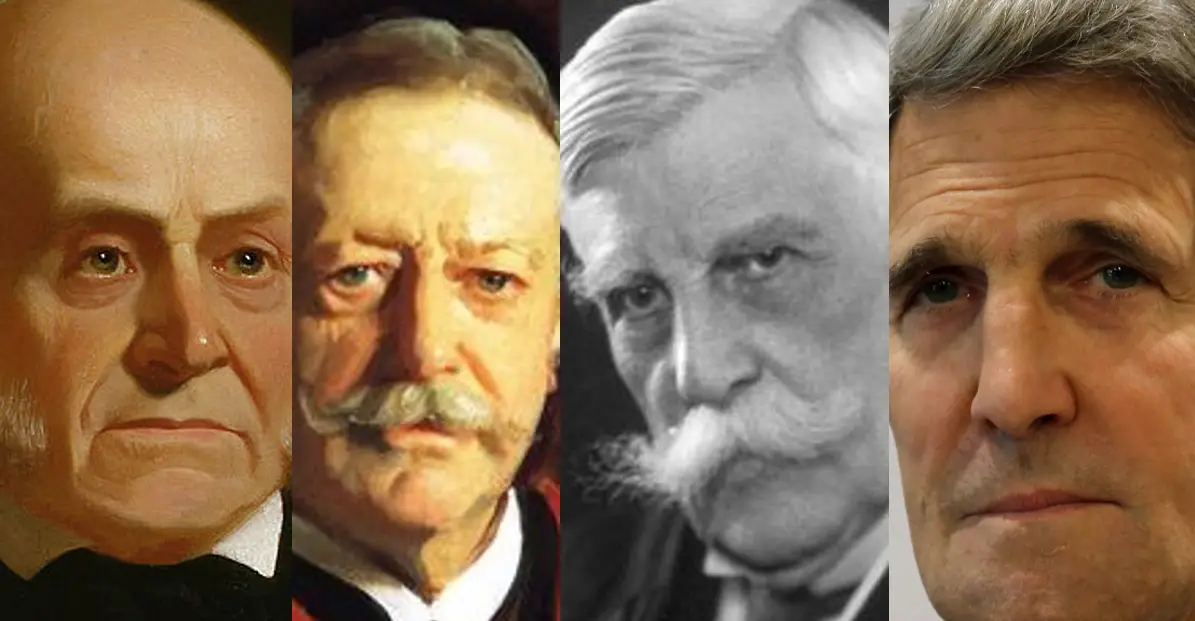
Early Beginnings: The Founding Families
The Boston Brahmin families, including the Adams, Cabots, Lowells, and Lodges, among others, trace their ancestry back to the early 17th century. These families were largely of English descent and were drawn to the New World by the prospect of establishing a new life and amassing wealth. They quickly became integral to the development of Boston, playing key roles in the city’s mercantile and maritime industries. As their wealth and influence grew, so did their involvement in politics.
The Rise to Power: 18th and 19th Centuries
During the 18th and 19th centuries, the Boston Brahmin families solidified their positions as leaders in American politics. Many notable figures, such as John Adams, John Quincy Adams, and Charles Francis Adams, held high-ranking positions in government, including the presidency, secretary of state, and ambassadorships. These individuals were instrumental in shaping American foreign policy, navigating the country through times of war and peace, and establishing the United States as a global power.
The Boston Brahmin were also at the forefront of social reform movements, including abolition, women’s suffrage, and education. They were instrumental in founding prestigious institutions, such as Harvard University, the Boston Athenaeum, and the Museum of Fine Arts, which continue to be cornerstones of American culture and learning.
Notable Figures: Shaping American History
Several Boston Brahmin families produced notable figures who left an indelible mark on American history. The Adams family, for instance, produced two U.S. presidents, John Adams and John Quincy Adams, as well as several prominent diplomats and statesmen. The Lodge family, meanwhile, produced Henry Cabot Lodge, a renowned statesman and historian who played a key role in shaping American foreign policy during the early 20th century.
The Lowell family, another influential Boston Brahmin clan, produced a plethora of notable figures, including James Russell Lowell, a celebrated poet and diplomat, and Amy Lowell, a prominent poet and feminist. The Cabot family, meanwhile, produced George Cabot, a signer of the United States Constitution, and Charles Cabot, a notable diplomat and statesman.
Decline and Revival: 20th Century
As the 20th century progressed, the Boston Brahmin’s influence on American politics began to wane. The rise of new industrial and financial powers, such as New York City and Chicago, challenged the dominance of Boston’s elite families. Additionally, the decline of the city’s traditional industries, such as textiles and shipping, further eroded the Boston Brahmin’s economic base.
However, in recent decades, there has been a resurgence of interest in the Boston Brahmin and their enduring legacy. This revival can be attributed, in part, to the popularity of historical novels and films, such as "The Bostonians" and "The Titanic," which have helped to rekindle public fascination with the city’s elite families.
Lasting Influence: Shaping American Society
The Boston Brahmin’s impact on American society extends far beyond the realm of politics. They have played a significant role in shaping the country’s cultural, educational, and philanthropic institutions. Many of the city’s most prestigious organizations, including the Boston Symphony Orchestra, the Museum of Fine Arts, and the Boston Public Library, were founded or supported by Boston Brahmin families.
The Boston Brahmin have also had a lasting impact on American education. Harvard University, founded in 1636, is one of the oldest and most prestigious institutions of higher learning in the United States. The university has produced countless notable alumni, including U.S. presidents, Nobel laureates, and business leaders.
FAQ
Q: What is the Boston Brahmin?
A: The Boston Brahmin refers to the affluent and influential families of colonial Boston, Massachusetts.
Q: What were the main industries that the Boston Brahmin were involved in?
A: The Boston Brahmin were largely involved in the mercantile and maritime industries, as well as finance and politics.
Q: Who were some notable Boston Brahmin figures?
A: Notable figures include John Adams, John Quincy Adams, Charles Francis Adams, Henry Cabot Lodge, James Russell Lowell, and Amy Lowell.
Q: What is the legacy of the Boston Brahmin?
A: The Boston Brahmin have had a lasting impact on American politics, culture, education, and philanthropy, shaping the country’s institutions and values.
Q: Are the Boston Brahmin still influential today?
A: While their influence has waxed and waned over the years, the Boston Brahmin continue to play a significant role in American society, with many family members holding prominent positions in politics, finance, and industry.
Conclusion
The Boston Brahmin’s enduring legacy is a testament to the significant role they have played in shaping American history. From their early beginnings as colonial merchants to their current status as influential leaders in politics, finance, and industry, the Boston Brahmin have left an indelible mark on the country. As we move forward in the 21st century, it is essential to recognize and appreciate the contributions of these families, who have helped to shape the United States into the global power it is today.
As we reflect on the Boston Brahmin’s lasting influence, we are reminded of the importance of preserving our cultural heritage and honoring the individuals who have helped to shape our nation. By examining the history and legacy of the Boston Brahmin, we can gain a deeper understanding of the complex social, economic, and political forces that have shaped America, and work towards building a brighter future for generations to come.
Closure
Thus, we hope this article has provided valuable insights into The Enduring Legacy of Boston Brahmin Political Influence. We hope you find this article informative and beneficial. See you in our next article!
