


The Boston Brahmin, a term coined by Oliver Wendell Holmes in 1861, refers to the elite class of Bostonians who have played a significant role in shaping the city’s history, culture, and society. For centuries, the Boston Brahmin have been the epitome of wealth, power, and sophistication, with a legacy that continues to influence Boston’s identity. In this article, we will delve into the world of the Boston Brahmin, exploring their origins, characteristics, and impact on Boston’s development.
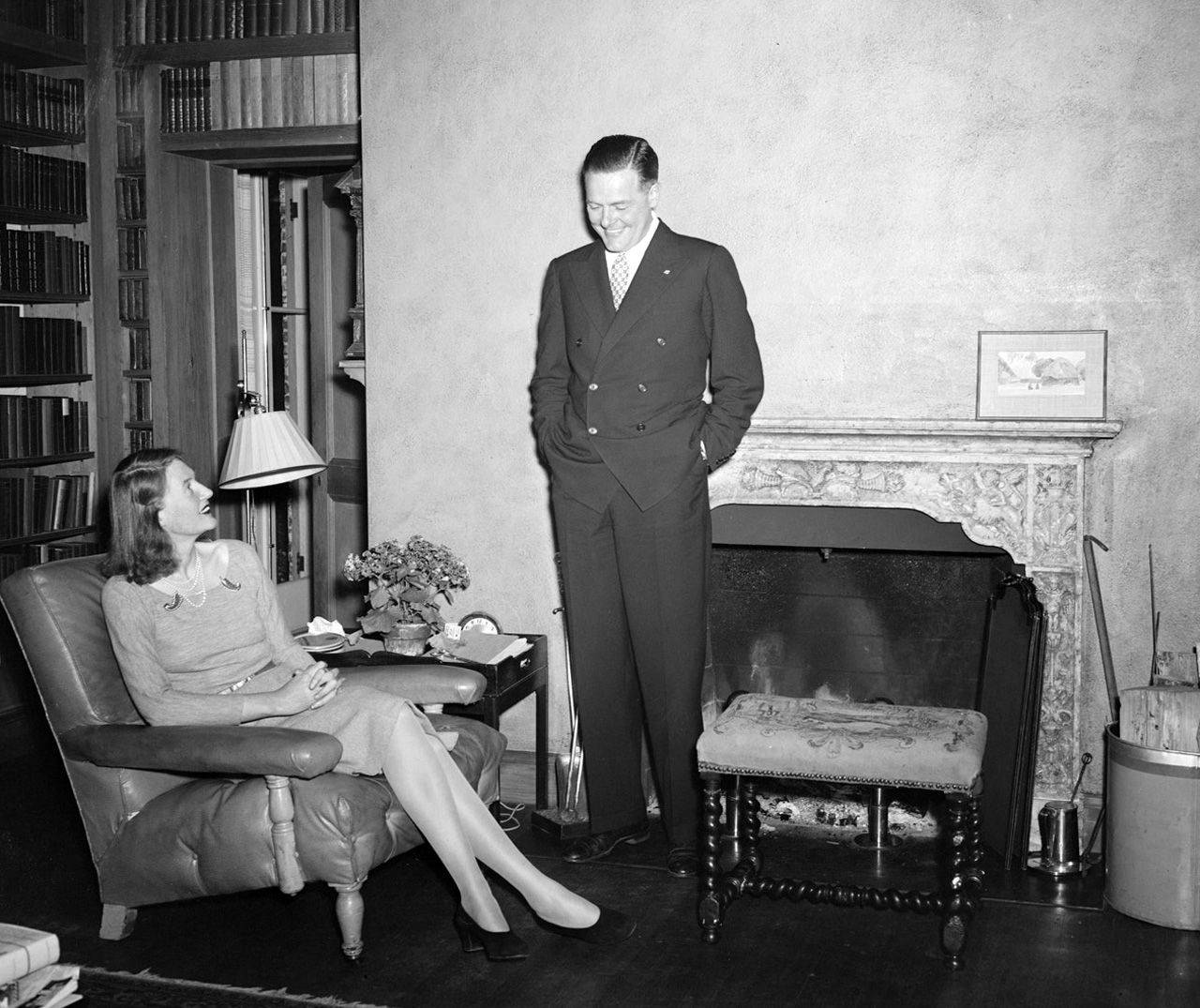
Origins of the Boston Brahmin
The Boston Brahmin emerged in the 17th century, during the colonial era, when Boston was a thriving port city. The city’s economy was driven by trade, commerce, and shipping, attracting entrepreneurs, merchants, and intellectuals from across the country. As the city grew, a distinct social hierarchy emerged, with the wealthy and influential families at the top. These families, including the Lowells, Cabots, and Adams, would become the foundation of the Boston Brahmin.
Characteristics of the Boston Brahmin
The Boston Brahmin were known for their distinct characteristics, which set them apart from other social classes. They were:
- Wealthy: The Boston Brahmin were extremely wealthy, with vast fortunes made from trade, commerce, and industry.
- Well-educated: They valued education and were often graduates of Harvard University, which was founded in 1636.
- Influential: The Boston Brahmin held significant political and social power, with many members serving in government, law, and finance.
- Cultured: They were patrons of the arts, supporting museums, theaters, and musical organizations.
- Exclusive: The Boston Brahmin were known for their exclusivity, with a strong sense of social hierarchy and a tendency to marry within their own class.
Impact on Boston’s Development
The Boston Brahmin have had a profound impact on Boston’s development, shaping the city’s culture, politics, and economy. Some of their notable contributions include:
- Philanthropy: The Boston Brahmin have a long history of philanthropy, supporting institutions such as hospitals, libraries, and universities.
- Arts and Culture: They have been instrumental in promoting the arts, with many members supporting the Boston Symphony Orchestra, the Museum of Fine Arts, and the Boston Athenaeum.
- Education: The Boston Brahmin have played a significant role in shaping Boston’s educational landscape, with many members serving on the boards of prestigious institutions such as Harvard University and Boston Latin School.
- Politics: The Boston Brahmin have held significant political power, with many members serving in government, including presidents, governors, and mayors.
Notable Boston Brahmin
Some notable Boston Brahmin include:
- John Adams: The second President of the United States and a founding father of the country.
- John Quincy Adams: The sixth President of the United States and a leading figure in the abolition of slavery.
- Ralph Waldo Emerson: A renowned philosopher, poet, and essayist who was a key figure in the Transcendentalist movement.
- Henry James: A celebrated novelist and playwright who was born and raised in Boston.
- Isabella Stewart Gardner: A wealthy socialite and art collector who founded the Isabella Stewart Gardner Museum.
FAQs
- Who are the Boston Brahmin?: The Boston Brahmin are the elite class of Bostonians who have played a significant role in shaping the city’s history, culture, and society.
- What are the characteristics of the Boston Brahmin?: The Boston Brahmin are known for their wealth, education, influence, culture, and exclusivity.
- What is the origin of the term "Boston Brahmin"?: The term "Boston Brahmin" was coined by Oliver Wendell Holmes in 1861.
- What is the significance of the Boston Brahmin in Boston’s history?: The Boston Brahmin have had a profound impact on Boston’s development, shaping the city’s culture, politics, and economy.
- Are the Boston Brahmin still influential today?: While the Boston Brahmin are no longer the dominant force they once were, they continue to play a significant role in Boston’s society, with many members still holding influential positions in politics, finance, and culture.
Conclusion
The Boston Brahmin are a fascinating and complex group, whose influence on Boston’s history and culture cannot be overstated. From their origins in the 17th century to the present day, the Boston Brahmin have played a significant role in shaping the city’s identity. While their power and influence have waxed and waned over the centuries, their legacy continues to be felt in Boston’s politics, culture, and economy. As we look to the future, it is essential to understand the history and significance of the Boston Brahmin, and to appreciate the enduring impact they have had on the city of Boston.
Closure
Thus, we hope this article has provided valuable insights into The Boston Brahmin: Unveiling the Elite Class of Boston’s History. We thank you for taking the time to read this article. See you in our next article!

